
Mobile hunting has changed the way many hunters approach the outdoors.
Instead of using permanent hunting locations, more hunters are looking for equipment that allows them to move quickly, adapt to different locations, and carry less weight.
This trend has increased demand for lightweight hunting equipment, especially climbing systems.
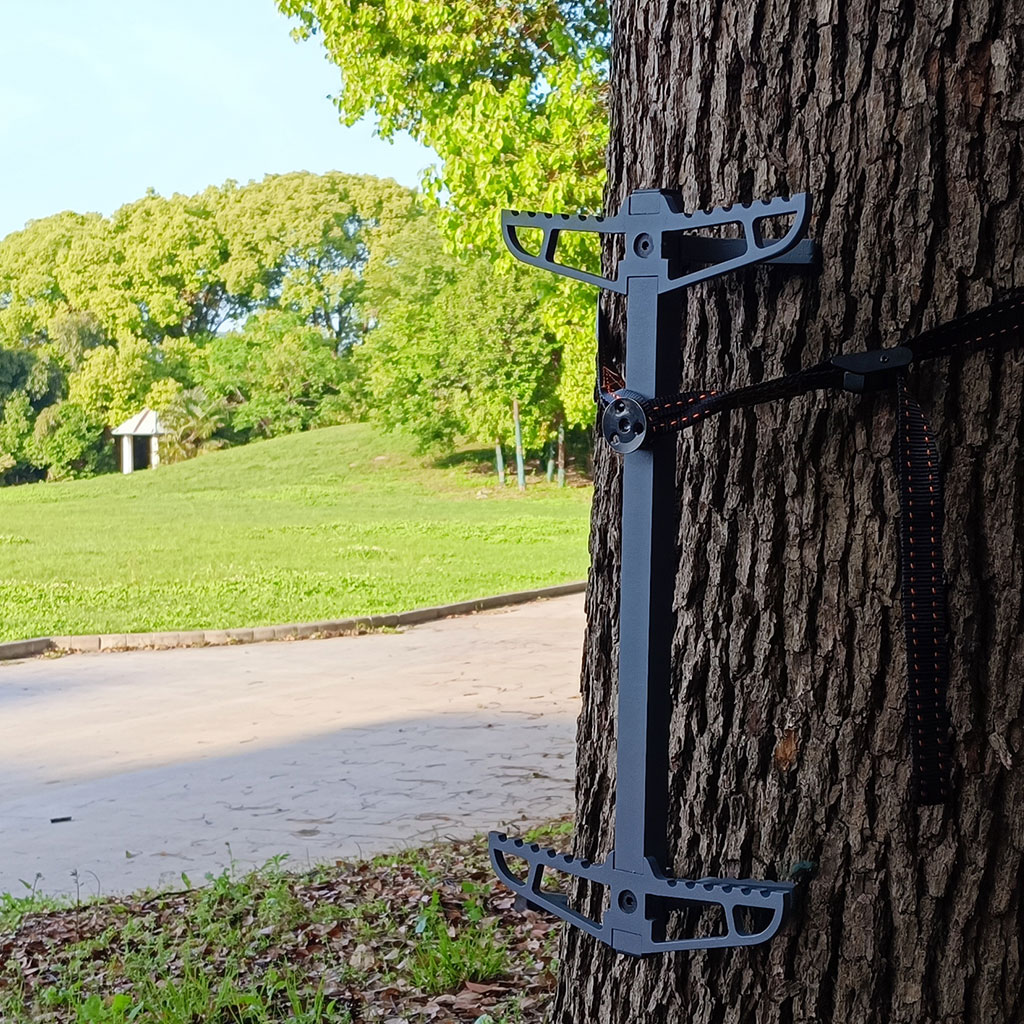
Climbing sticks have become an important part of mobile hunting setups because they provide hunters with a practical way to access elevated hunting positions while maintaining portability.
For hunting brands, developing a successful climbing stick product requires more than reducing weight.
A high-quality climbing stick must balance:
- Weight
- Strength
- Safety
- Portability
- Durability
- Manufacturing cost
This article explains the key considerations when developing lightweight climbing sticks for a hunting brand.
1. Understand the Needs of Mobile Hunters
Before designing a climbing stick, it is important to understand the target customer.
Mobile hunters often prioritize:
Lightweight Equipment
Hunters may carry:
- Climbing sticks
- Tree stands
- Saddles
- Backpacks
- Accessories
Reducing unnecessary weight improves mobility.
Easy Transportation
A good climbing stick design should consider:
- Carrying distance
- Storage space
- Attachment methods
- Packing efficiency
Fast Setup
Mobile hunters often change locations frequently.
Important features may include:
- Quick installation
- Simple connection systems
- Easy adjustment
Quiet Operation
Noise can affect hunting success.
Design considerations include:
- Connection points
- Metal contact
- Hardware selection
Understanding these requirements is the foundation of product development.
2. Define the Product Positioning
Before starting design, brands should determine what type of climbing stick they want to create.
Examples:
Premium Lightweight Climbing Stick
Focus:
- Advanced materials
- Minimum weight
- Premium users
Value-Oriented Climbing Stick
Focus:
- Cost efficiency
- Reliable performance
- Larger market
Innovative Climbing Stick
Focus:
- Unique functions
- New installation methods
- Differentiation
The product positioning affects:
- Material choice
- Manufacturing method
- Price strategy
- Target customer
3. Design Considerations for Lightweight Climbing Sticks
Creating a lightweight product is not simply removing material.
A professional design must maintain strength while reducing unnecessary weight.
Important factors include:
Structural Design
The structure must provide:
- Stability
- Load support
- Long-term durability
Engineers need to evaluate:
- Tube design
- Connection points
- Folding mechanisms
- Attachment systems
Material Selection
Common materials include:
Aluminum
Advantages:
- Lightweight
- Corrosion resistance
- Premium positioning
Steel
Advantages:
- High strength
- Cost effectiveness
Hybrid Structures
Combining materials may provide a balance between:
- Weight
- Strength
- Cost
Material selection should match the target market.
4. Improve Portability and User Experience
A climbing stick is carried before it is used.
Therefore, portability is a key design factor.
Important considerations include:
Stackability
Multiple sticks should:
- Store efficiently
- Transport easily
- Reduce bulk
Attachment System
Users need reliable ways to:
- Carry sticks
- Attach them to equipment
- Install them quickly
Installation Experience
A good design reduces unnecessary steps.
The best products often feel simple to users.
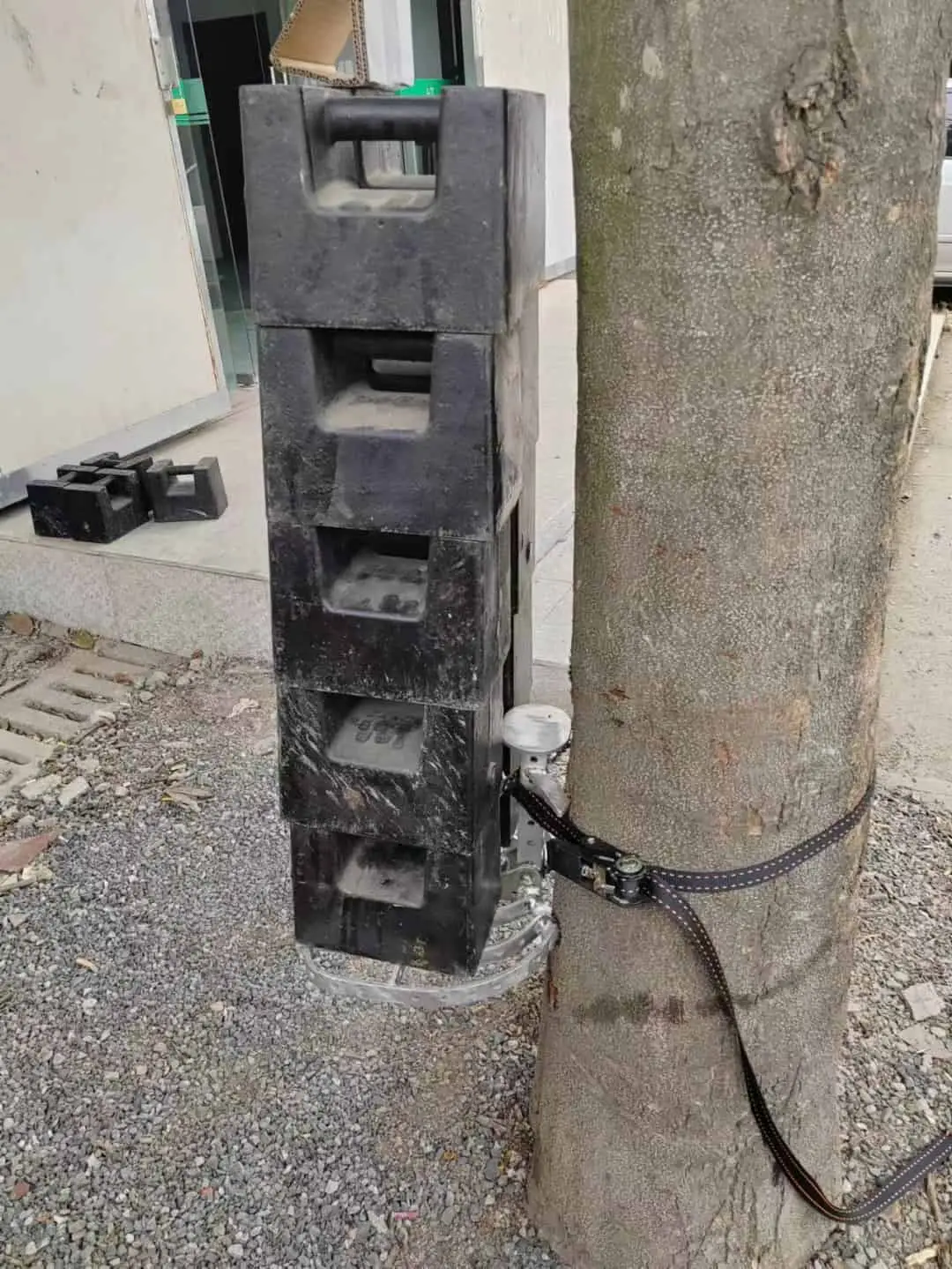
5. Prototype Development and Testing
A climbing stick design should be evaluated through prototypes.
A prototype helps review:
- Size
- Weight
- Grip
- Connection system
- Installation process
During testing, brands can identify improvements such as:
- Reducing unnecessary components
- Improving stability
- Simplifying assembly
A professional [Internal Link → hunting product development process] allows brands to move from concept to prototype and production more efficiently.
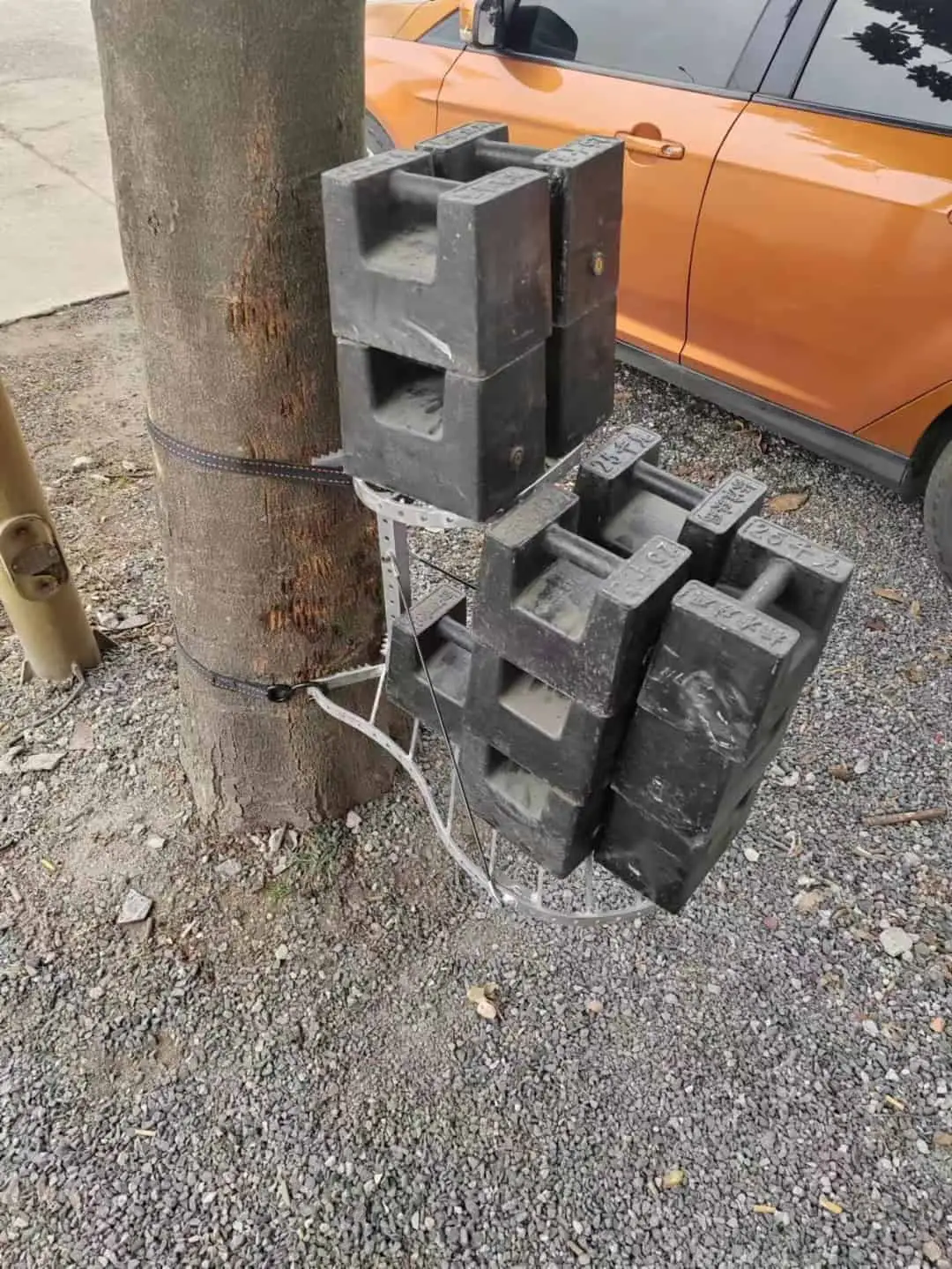
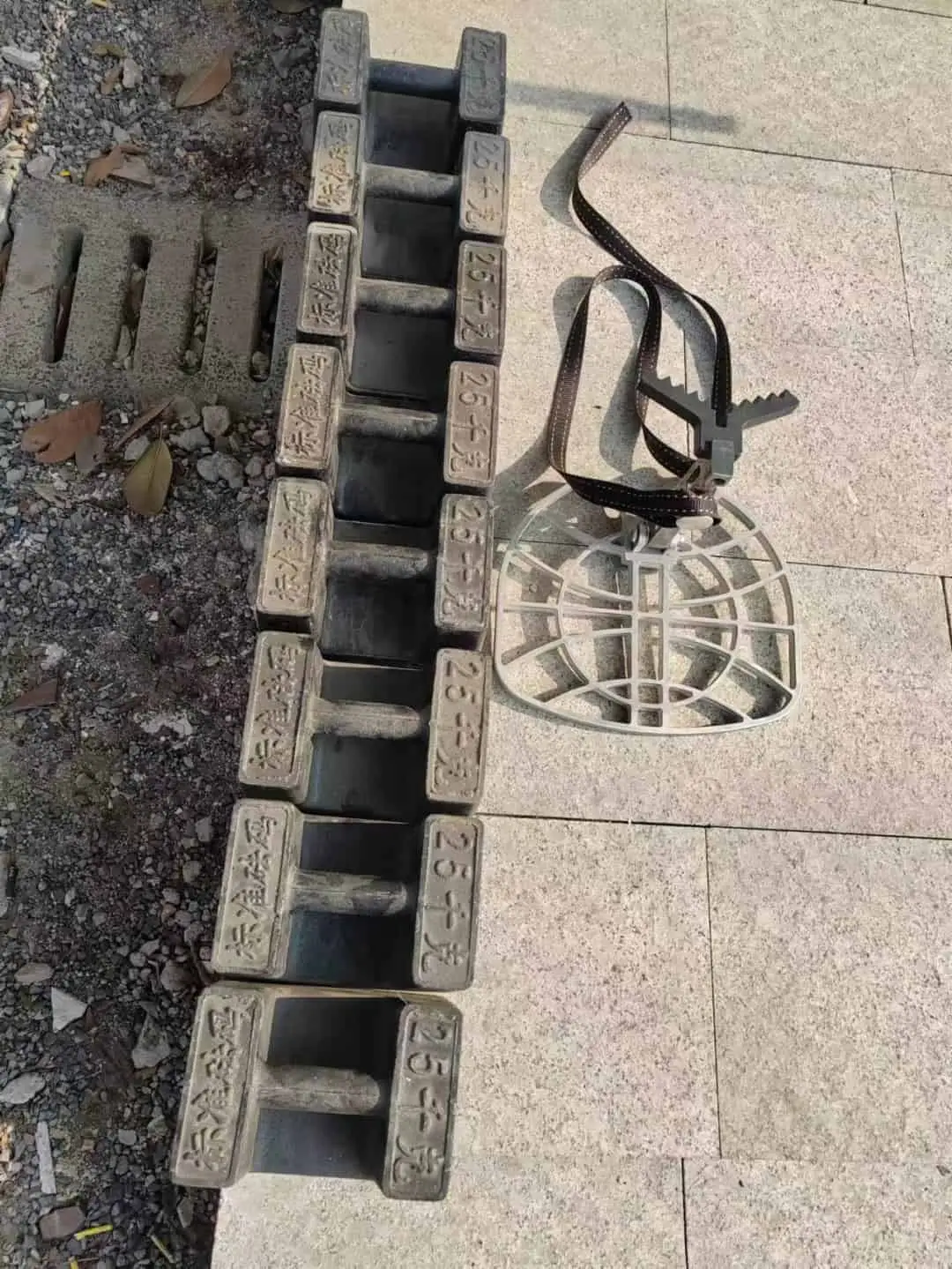
6. Safety and Durability Testing
Although climbing sticks are lightweight products, reliability remains critical.
Testing considerations include:
Structural Strength
Evaluate:
- Main frame strength
- Connection points
- Attachment systems
Durability
Consider:
- Repeated installation
- Outdoor exposure
- Long-term use
Field Testing
Real-world feedback helps identify:
- Installation challenges
- User preferences
- Improvement opportunities
A climbing stick must perform consistently in real hunting conditions.
7. Manufacturing Considerations
A successful climbing stick design must also be suitable for manufacturing.
Manufacturing decisions affect:
- Cost
- Quality
- Production efficiency
Important factors include:
Manufacturing Process
Possible processes:
- Tube forming
- Welding
- CNC machining
- Surface finishing
Assembly
A good design should consider:
- Number of components
- Assembly time
- Production consistency
Quality Control
Important checks include:
- Dimensions
- Welding quality
- Surface treatment
- Functional performance
A product designed without manufacturing consideration may become expensive or difficult to produce.
8. OEM vs Custom Climbing Stick Development
Brands have different development goals.
OEM Climbing Sticks
Suitable for:
- Faster market entry
- Existing product customization
- Branding changes
Custom Climbing Sticks
Suitable for:
- Unique designs
- Competitive differentiation
- New product concepts
Custom development provides opportunities to create products with stronger market identity.
9. Common Mistakes When Developing Climbing Sticks
Focusing Only on Weight Reduction
The lightest product is not always the best product.
Balance is important.
Ignoring User Experience
A product must be easy to carry and install.
Designing Without Manufacturing Knowledge
Some designs may look attractive but create production problems.
Skipping Prototype Testing
Small design issues can become expensive after mass production.
10. Working With an Experienced Hunting Equipment Manufacturer
Developing climbing sticks requires understanding:
- Hunting applications
- Structural design
- Outdoor conditions
- Manufacturing processes
The right partner can help with:
- Product improvement
- Engineering solutions
- Prototype development
- Production preparation
For brands developing new hunting equipment, [Internal Link → custom hunting solutions] can help evaluate ideas and create practical solutions.
How YH Hunting Supports Climbing Stick Development
YH Hunting works with international brands developing hunting equipment.
Our capabilities include:
- Product design
- Engineering support
- Prototype development
- OEM manufacturing
- Production coordination
Our experience covers:
- Climbing sticks
- Tree stands
- Saddle platforms
- Hunting accessories
- Outdoor equipment
Whether you have a complete design or an initial concept, we can help evaluate the development path.
Conclusion
Developing lightweight climbing sticks requires balancing:
- Mobility
- Strength
- Safety
- Manufacturing cost
- User experience
The best climbing sticks are not simply lightweight.
They are products designed around real hunting conditions.
For hunting brands looking to create their own climbing stick products, a structured development process helps transform ideas into reliable market-ready equipment.