

One of the first questions many hunting brands ask before starting a new product is:
“How much does it cost to develop a custom hunting product?”
The honest answer is:
It depends.
A hunting product can be a simple accessory requiring limited customization, or it can be a completely new piece of equipment requiring engineering, prototypes, testing, and production development.
The total investment depends on several factors:
- Product complexity
- Design requirements
- Materials
- Prototype quantity
- Testing requirements
- Tooling
- Production volume
Understanding these costs before starting can help new hunting brands make better decisions and create a realistic development plan.
1. The Cost of Developing a Hunting Product Depends on the Type of Product
Not all hunting products require the same level of development.
A simple accessory may only require:
- Minor modifications
- Branding
- Packaging changes
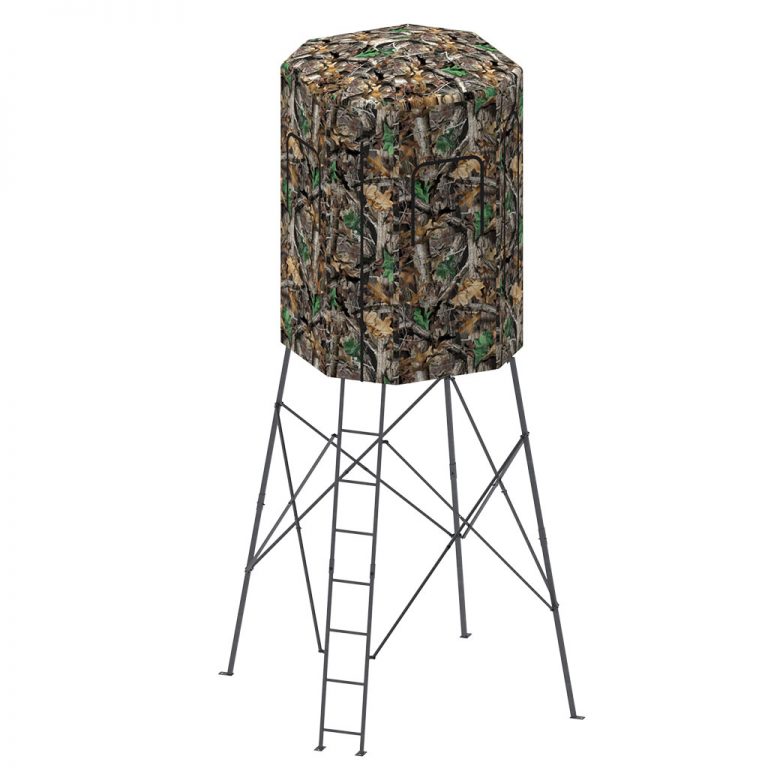
A complex product such as a tree stand, climbing system, or hunting blind may require:
- Structural engineering
- Mechanical design
- Prototypes
- Testing
- Manufacturing optimization
For example:
A hunting accessory may move quickly from concept to production.
However, a structural product that supports a hunter’s weight requires much more engineering consideration.
Products such as:
- Tree stands
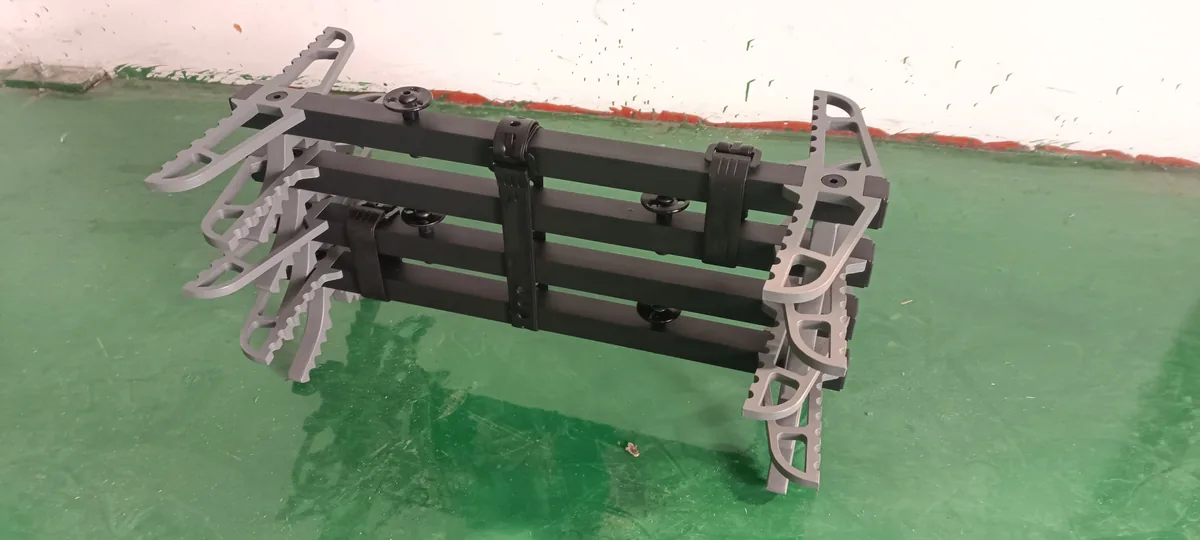
- Saddle platforms
- Climbing sticks
- Elevated hunting systems
usually require more development work because safety, strength, and durability are critical.
2. Product Design and Engineering Costs
The first development stage is turning an idea into a manufacturable design.
Many new brands start with:
- A sketch
- A photo
- A competitor reference
- A written idea
This information must then become an engineering solution.
Design work may include:
- Product concept development
- 3D CAD modeling
- Mechanical structure design
- Material selection
- Manufacturing analysis
The cost depends on:
- Product complexity
- Number of components
- Required engineering time
- Design revisions
A simple product may require limited design work.
A more advanced hunting product may require multiple design stages before reaching a production-ready solution.
For companies that need complete support from concept development to manufacturing, a professional Hunting Product Development process helps organize each stage.
3. Prototype Development Costs
A prototype is one of the most important investments during product development.
Many companies want to reduce cost by skipping prototypes.
However, producing directly from an idea often creates expensive problems later.
A prototype allows you to evaluate:
- Product dimensions
- Weight
- Function
- Assembly
- User experience
- Structural performance
Prototype cost depends on:
- Materials
- Manufacturing method
- Number of parts
- Prototype quantity
For example:
A sheet metal product may require different processes compared with an aluminum structure or molded component.
The purpose of a prototype is not only to create a sample.
It is to discover improvements before mass production.
4. Testing and Product Improvement Costs
Testing is especially important for hunting equipment.
Hunters depend on their equipment in demanding outdoor environments.
Testing may evaluate:
- Strength
- Stability
- Durability
- Function
- User operation
For structural hunting products, testing may include:
- Load testing
- Connection testing
- Repeated use evaluation
Testing can increase initial development costs, but it can reduce future risks.
A product that performs consistently helps protect your brand reputation.
5. Tooling and Manufacturing Preparation Costs
Some products require tooling before production.
Tooling may include:
- Molds
- Fixtures
- Production tooling
- Specialized manufacturing equipment
Whether tooling is required depends on the product design and manufacturing process.
For example:
A custom molded plastic component may require a mold.
A metal fabrication product may require different production preparation.
A good engineering team should evaluate whether tooling is necessary and whether the investment makes sense based on your expected sales volume.
6. Production Quantity and MOQ Impact
One of the biggest factors affecting product cost is production quantity.
Generally:
Higher production volume can reduce the unit cost.
However, new brands often need to balance:
- Inventory investment
- Market testing
- Production cost
A startup may not want to immediately produce thousands of units before understanding customer demand.
A practical strategy is often:
Stage 1
Develop and validate the product.
Stage 2
Produce an initial market quantity.
Stage 3
Increase production after receiving customer feedback.
The right manufacturing partner can help evaluate the best approach.
For companies managing multiple suppliers or product categories, Sourcing Service can help coordinate product sourcing and manufacturing resources.
7. How New Hunting Brands Can Reduce Development Costs
Developing a custom product does not always require a huge investment.
There are several ways to control costs.
Start With a Clear Product Concept
A clear idea reduces unnecessary design changes.
Focus on One Core Product
Do not develop an entire product line immediately.
Build one successful product first.
Use Existing Manufacturing Knowledge
An experienced manufacturer can help avoid design decisions that increase unnecessary costs.
Plan Before Production
Early engineering decisions often have a major impact on final cost.
8. Typical Development Investment Categories
Instead of thinking about one single price, it is better to think in categories:
Product Concept
Idea evaluation and feasibility.
Engineering
Design and manufacturing preparation.
Prototype
Physical samples and revisions.
Testing
Performance verification.
Tooling
Production preparation if required.
Manufacturing
Initial production investment.
Each project has different requirements.
A simple hunting accessory and a complete hunting system will naturally have very different development costs.
9. Should You Develop a Custom Hunting Product or Use Existing Products?
Not every brand needs a completely new product.
Sometimes private label or modified existing products are the better choice.
Custom development makes more sense when:
- You have a unique idea
- Existing products do not solve the problem
- You want stronger brand differentiation
- The product itself is your competitive advantage
For companies exploring unique product concepts, Custom Hunting Solutions can provide a pathway from idea evaluation to production.
10. Why Working With the Right Development Partner Matters
The lowest initial price does not always create the lowest total cost.
Poor product decisions can lead to:
- Repeated prototypes
- Manufacturing problems
- Quality issues
- Production delays
A capable development partner helps by combining:
- Product understanding
- Engineering knowledge
- Manufacturing experience
- Quality control
This reduces unnecessary mistakes during the development process.
How YH Hunting Helps Develop New Hunting Products
YH Hunting supports companies developing hunting equipment from concept to production.
Our experience covers:
- Tree stands
- Climbing systems
- Saddle platforms
- Hunting blinds
- Hunting accessories
We help customers with:
- Product evaluation
- Engineering development
- Prototype creation
- Manufacturing preparation
- Production support
Whether you already have detailed drawings or only a product idea, the first step is understanding the concept and evaluating the possibilities.
Conclusion
The cost of developing a custom hunting product depends on many factors, including product complexity, engineering requirements, prototypes, testing, tooling, and production volume.
The most important step is not finding the cheapest development option.
It is creating a product that can be manufactured reliably, perform well in the field, and support your brand long term.
If you have a hunting product idea, start with the concept.
A sketch, reference product, or simple description may be enough to begin exploring the possibilities.
YH Hunting helps turn hunting product ideas into real products through design, engineering, prototyping, and manufacturing support.