

Many successful hunting products start with a simple idea.
A hunter notices a problem.
A brand owner sees an opportunity.
An outdoor company imagines a better solution.
Maybe it is:
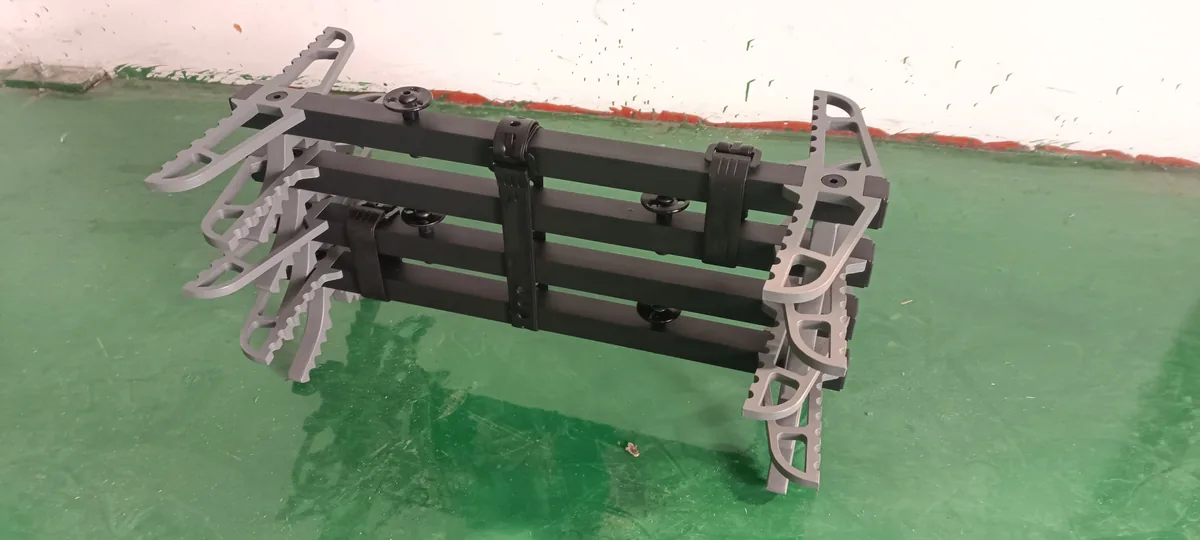
- A lighter tree stand for mobile hunters
- A faster climbing system
- A more comfortable saddle platform
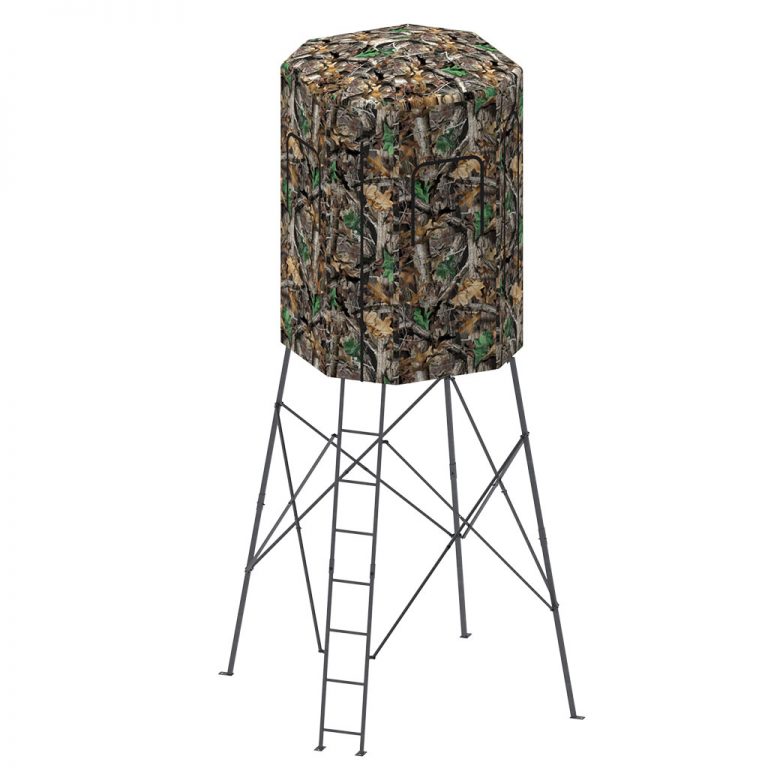
- A stronger hunting blind
- A smarter hunting accessory
However, a good idea alone does not become a successful product.
Between an initial concept and a product that customers can buy, there are many important steps.
A product must be:
- Functional
- Safe
- Manufacturable
- Cost-effective
- Suitable for the target market
This article explains the five important steps to turn a hunting product idea into a market-ready product.
Step 1: Define the Problem Your Product Solves
The first step is not drawing the product.
It is understanding the problem.
Many unsuccessful products fail because they are designed around an idea instead of a real customer need.
Before development begins, ask:
- Who is the target user?
- What problem does the product solve?
- Why are existing products not good enough?
- What improvement does your product provide?
For example:
A new hunting platform may not simply be:
“A smaller platform.”
The real opportunity may be:
“A lightweight platform that mobile hunters can carry farther and install faster.”
The difference is important.
Strong products are built around clear user benefits.
Step 2: Convert the Idea Into a Practical Product Design
Once the product opportunity is clear, the next step is turning the idea into a realistic design.
At this stage, many factors need to be considered:
Function
What should the product do?
User Experience
How will hunters use it in real conditions?
Materials
What materials provide the right balance of:
- Strength
- Weight
- Durability
- Cost
Manufacturing
Can the product actually be produced efficiently?
A common mistake is creating a design that looks good but is difficult or expensive to manufacture.
Good product design considers both the customer experience and manufacturing reality.
For companies that need support from concept through engineering, a professional [Internal Link → Hunting Product Development] process helps connect design ideas with practical production solutions.
Step 3: Create and Evaluate a Prototype
A product idea becomes much clearer when you can physically see and use it.
This is why prototype development is a critical stage.
A prototype allows you to evaluate:
- Product size
- Weight
- Comfort
- Operation
- Assembly
- Performance
For hunting equipment, prototypes are especially valuable because products are used in real outdoor environments.
A design that looks perfect on a computer may need improvement when:
- Carrying it through the woods
- Installing it on a tree
- Adjusting components
- Using it in different weather conditions
During prototype evaluation, improvements are often discovered.
Examples:
- A component needs reinforcement
- A mechanism needs simplification
- A part needs adjustment
- Weight can be reduced
The goal is not just creating a sample.
The goal is improving the final product before production.
Step 4: Test and Optimize the Product
Before mass production, the product needs validation.
The testing requirements depend on the product category.
For structural hunting equipment, important considerations may include:
- Load performance
- Stability
- Connection strength
- Durability
For portable equipment, evaluation may focus on:
- Weight
- Folding
- Transportation
- Assembly speed
Testing helps identify problems before customers discover them.
For hunting brands, this is especially important because product reliability directly affects brand reputation.
A successful hunting product must perform not only in a showroom but also in real hunting situations.
Step 5: Prepare the Product for Manufacturing
A prototype is not automatically ready for mass production.
The final step is transforming the prototype into a production-ready product.
This requires reviewing:
Manufacturing Process
How will each part be produced?
Material Selection
Are materials available and consistent?
Production Cost
Can the product reach the target price?
Assembly
Can workers assemble the product efficiently?
Quality Control
How will production consistency be maintained?
A good manufacturing plan prevents problems such as:
- Increasing costs
- Production delays
- Quality issues
- Difficult assembly
For companies developing hunting products overseas, working with experienced [Internal Link → OEM hunting equipment manufacturing] partners can help bridge the gap between prototype and production.
Why Product Ideas Often Fail Before Reaching the Market
Many product concepts fail for reasons unrelated to the original idea.
Common problems include:
No Clear Customer Need
The product does not solve an important problem.
Poor Manufacturing Planning
The design cannot be produced efficiently.
Lack of Testing
Problems appear after customers purchase the product.
Cost Miscalculation
The final product price is too high for the target market.
Successful product development requires balancing:
Customer Needs
Engineering
Manufacturing
Cost
Building a Complete Hunting Product Strategy
A successful hunting brand usually does not depend on one product forever.
A strong product can become the foundation of a larger product line.
For example:
A brand may start with:
Core Product
Tree stand
↓
Supporting Products
Climbing sticks
Accessories
Storage solutions
↓
Complete System
A full mobile hunting solution
This approach allows brands to build customer trust and expand gradually.
Working With the Right Development Partner
Many hunting entrepreneurs have excellent product ideas but do not have:
- Engineering resources
- Manufacturing knowledge
- Supplier networks
- Prototype capability
A development partner can help organize the process and reduce unnecessary mistakes.
The right partner should understand:
- Hunting applications
- Product design
- Manufacturing requirements
- Quality expectations
For companies that need assistance with suppliers, production coordination, or multiple product categories, [Internal Link → hunting equipment sourcing support] can help simplify the process.
How YH Hunting Supports Product Development
YH Hunting works with companies developing hunting products from concept to manufacturing.
Our experience covers:
- Tree stands
- Climbing systems
- Saddle hunting equipment
- Hunting blinds
- Hunting accessories
We support brands that may have:
- A simple product idea
- A rough sketch
- A reference product
- Existing drawings
Through product evaluation, engineering, prototypes, and manufacturing support, ideas can become practical products ready for the market.
You can learn more about our [Internal Link → custom hunting solutions] and development capabilities.
Conclusion
Turning a hunting product idea into a successful product requires more than creativity.
It requires a structured process:
- Understand the customer problem
- Create a practical design
- Develop and evaluate prototypes
- Test and improve the product
- Prepare for manufacturing
The strongest hunting products are created when ideas, engineering, and manufacturing work together.
If you have a hunting product idea, the first step is not having a perfect design.
The first step is defining the opportunity.
From there, the product development process can begin.