

For many hunting brands, finding the right manufacturing partner is one of the most important steps in building a successful product business.
China has become one of the world’s major manufacturing centers for outdoor equipment, metal products, accessories, and custom-designed products.
However, successful sourcing is not simply about finding the lowest price supplier.
A reliable sourcing strategy requires understanding:
- Product requirements
- Supplier capabilities
- Manufacturing processes
- Quality control
- Communication
- Production management
For hunting brands, the challenge is even greater because many products require specific knowledge of outdoor use, durability, structure, and user experience.
This guide explains how hunting brands can source products from China more effectively.
1. Understand What You Need Before Searching for a Supplier
Before contacting manufacturers, define your product requirements.
Many sourcing problems happen because companies start searching for suppliers before they understand their own needs.
Important questions include:
- What product do you want to develop?
- Is it an existing product or a new design?
- Do you need customization?
- What is your target market?
- What production quantity do you expect?
- What quality level do you require?
For example:
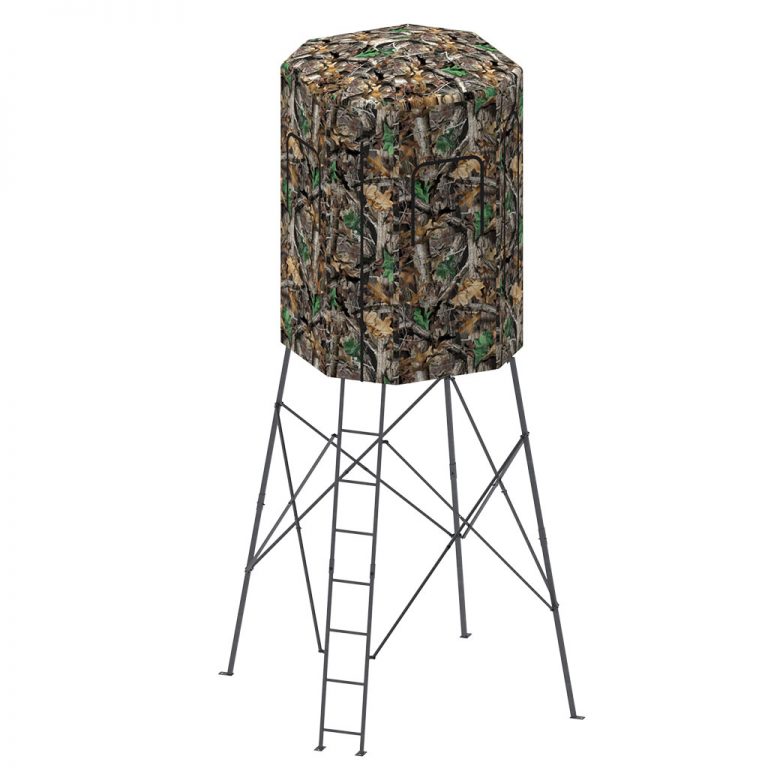
A company looking for a standard hunting accessory may need a different supplier than a brand developing a completely new tree stand system.
The clearer your requirements are, the easier it is to identify the right manufacturing partner.
2. Decide Between Existing Products and Custom Development
There are two common sourcing approaches.
Option 1: Existing Products
This approach works when you want to:
- Add your branding
- Customize packaging
- Make minor modifications
- Launch quickly
This is often suitable for private label products.
Option 2: Custom Product Development
This approach is better when you have:
- A unique product idea
- Specific design requirements
- A product improvement concept
- A need for differentiation
Custom development may include:
- Product design
- Engineering
- Prototype creation
- Testing
- Manufacturing preparation
If you are creating a new hunting product, a structured hunting product development process can help transform an idea into a manufacturable product.
3. Find the Right Type of Hunting Supplier
Not every supplier is suitable for every project.
Different companies may provide different capabilities.
Trading Companies
Advantages:
- Easier communication
- Multiple product categories
Potential limitations:
- Less direct manufacturing control
- Less engineering capability
Manufacturing Companies
Advantages:
- Direct production control
- Better technical communication
- Manufacturing experience
Potential limitations:
- May require clearer product requirements
Product Development Manufacturers
These companies can support:
- Design
- Engineering
- Prototype
- Production
For brands creating unique hunting equipment, this type of partner can provide more value than a simple production supplier.
4. Evaluate Supplier Manufacturing Capability
A supplier should be evaluated based on more than product photos.
Important questions include:
Can They Manufacture Similar Products?
Experience matters.
A supplier familiar with:
- Tree stands
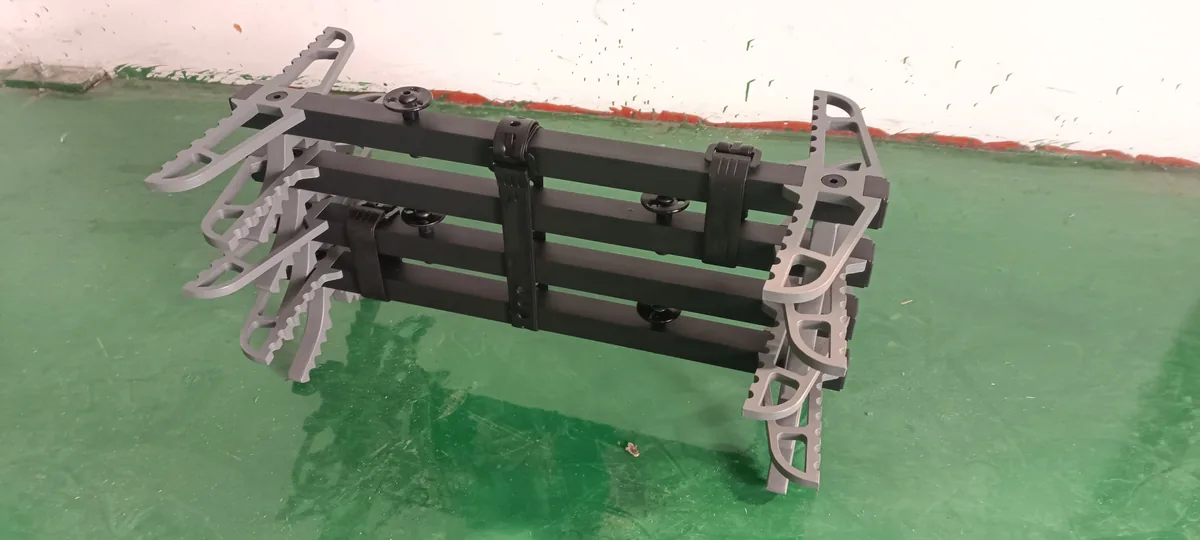
- Climbing systems
- Hunting blinds
- Outdoor hardware
will better understand product requirements.
Do They Understand Materials?
Hunting products may involve:
- Steel
- Aluminum
- Fabrics
- Plastic components
- Outdoor coatings
Material knowledge affects:
- Weight
- Durability
- Cost
- Performance
Can They Support Product Improvement?
The best suppliers do not simply say:
“Yes, we can make it.”
They can also suggest:
- Better structures
- Manufacturing improvements
- Cost reductions
- Material alternatives
5. Always Request Samples Before Production
Samples are an essential part of sourcing.
Never rely only on:
- Product pictures
- Videos
- Supplier descriptions
A physical sample allows you to evaluate:
- Product quality
- Function
- Finish
- Assembly
- Packaging
For hunting equipment, actual testing is especially important.
A product may look good online but perform differently in real conditions.
6. Understand MOQ and Production Planning
MOQ means Minimum Order Quantity.
Many new brands worry about MOQ because they do not want excessive inventory.
However, MOQ depends on:
- Product type
- Materials
- Manufacturing process
- Customization level
For example:
A customized product requiring special tooling may require a different quantity compared with an existing product.
A good sourcing strategy balances:
- Initial investment
- Inventory risk
- Production cost
- Market demand
7. Quality Control Is Critical for Hunting Products
Quality control should not start after production.
It should begin during product development.
Important quality control stages include:
Incoming Material Inspection
Check:
- Materials
- Components
- Specifications
Production Inspection
Monitor:
- Manufacturing process
- Assembly
- Product consistency
Final Inspection
Check:
- Function
- Appearance
- Packaging
For hunting equipment, quality is especially important because customers rely on these products in demanding outdoor environments.
8. Manage Communication and Product Information
Successful sourcing requires clear communication.
Important documents include:
- Product drawings
- Specifications
- Material requirements
- Packaging details
- Quality standards
Poor communication often creates:
- Wrong samples
- Production delays
- Unexpected costs
A professional sourcing process creates a clear connection between your brand requirements and manufacturing execution.
9. Shipping and Supply Chain Considerations
Manufacturing is only one part of sourcing.
You also need to consider:
- Packaging
- Shipping method
- Import requirements
- Lead time
- Inventory planning
A complete sourcing strategy considers the entire journey:
Supplier ↓ Production ↓ Quality Control ↓ Shipping ↓ Warehouse ↓ Customer
10. Common Mistakes When Sourcing Hunting Gear From China
Choosing Only Based on Price
The lowest price supplier may create higher costs later through:
- Quality problems
- Delays
- Rework
Developing Without Clear Requirements
Unclear specifications create unnecessary changes.
Skipping Samples
Samples help identify problems before mass production.
Ignoring Manufacturing Experience
Hunting equipment has unique requirements.
A supplier that understands outdoor products can provide better solutions.
11. When Should You Work With a Sourcing Partner?
A sourcing partner can be valuable when you need support with:
- Finding suitable manufacturers
- Comparing suppliers
- Product evaluation
- Factory communication
- Quality management
- Production coordination
This is especially useful for companies that:
- Are new to manufacturing
- Do not have technical teams
- Need multiple product categories
- Want to develop custom products
YH Hunting provides hunting equipment sourcing service for companies looking for reliable product sourcing and manufacturing support.
12. How YH Hunting Supports Hunting Brands
YH Hunting works with international hunting companies that need support with product development and manufacturing.
Our capabilities include:
- Hunting product design
- OEM manufacturing
- Product sourcing
- Prototype development
- Production coordination
Our experience covers:
- Tree stands
- Climbing systems
- Saddle hunting equipment
- Hunting blinds
- Hunting accessories
Whether you already have a product specification or need help exploring manufacturing possibilities, the process can start from your product idea.
Conclusion
Sourcing hunting gear from China is not only about finding a factory.
The best results come from choosing the right partner who understands:
- Hunting products
- Manufacturing requirements
- Quality expectations
- Long-term brand development
A successful sourcing process helps brands create better products, control costs, and build reliable supply chains.
If you are developing a hunting product or looking for manufacturing support, start with your product idea, requirements, or reference product.
The right manufacturing partner can help turn that opportunity into a real product.